• Big-Headed Ants and Their Big Heads

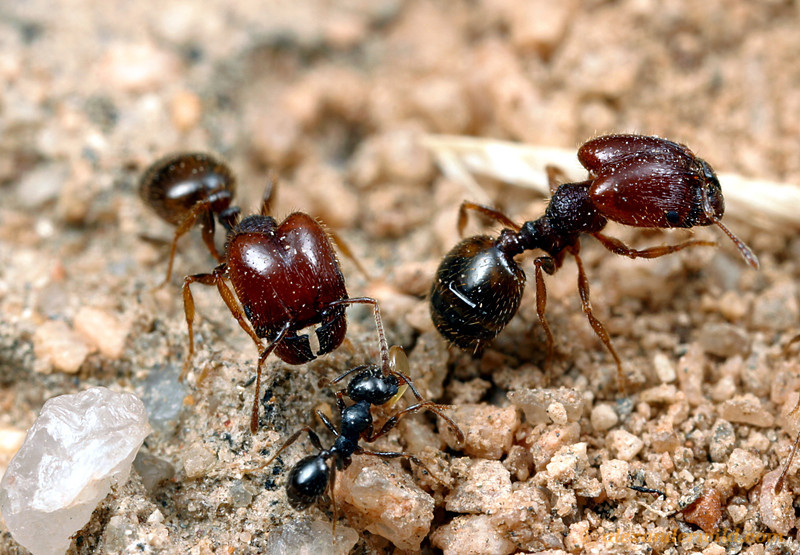
    Pheidole is one of the most diverse ant genera in the world, with 1,004 currently described species. This genus is known for having two worker castes – a “minor” and a “major”. The major caste typically sports a head that is comically larger than minor heads. You can see why Pheidole species are called the “big-headed ants”:
    pheidolemajors
    Two majors and a minor of Pheidole xerophila. Photo: Alex Wild

    This ant group provides an excellent study system for investigating a fundamental question in ant research: How, and why, do major and minor worker castes evolve? Dr. Jo-anne Holley and colleagues addressed just this question in a study published earlier this year.
    (more…)

  • Editorial: NSA ANT Catalog Insults All Invertebrates

    During the summer of 2013, leaks by Edward Snowden revealed to the world the extent of domestic and foreign surveillance by the United States National Security Agency (NSA). These revelations included the PRISM program, XKeyscore, and collaborations with phone companies to sweep up phone records. But one document, at the time, received comparably less press: the NSA product catalog offensively named the ANT catalog.

    antcat
    One item in the NSA ANT catalog, revealed December 29th, 2013

    (more…)

  • Regular readers of The Daily Ant likely already know that ants are very good at most things. From farming to construction to warfare, ants are rivaled perhaps only by humans. So, it is not surprising that along with a diverse array of interesting and intriguing behaviors, ants are also excellent at something we humans find a little less exciting: biological invasions.

    (more…)

  • Formicid Footballer Still Kicking

    As reported in The Daily Ant last week, Brazilian footballer Miraildes Maciel Mota, known as “Formiga”, has retired from football after a remarkable 21-year career. Understandably, we at The Daily Ant mourned this loss. However, we have recently learned, through an anonymous tip, that Formiga was not the only formicid footballer. The sport’s new standard-bearer is Sebastian Giovinco, Formica Atomica, the “Atomic Ant”.

    atomicant
    Photo: Dan Hamilton/USA Today Sports

    (more…)

  • The Exploding Ants of Borneo

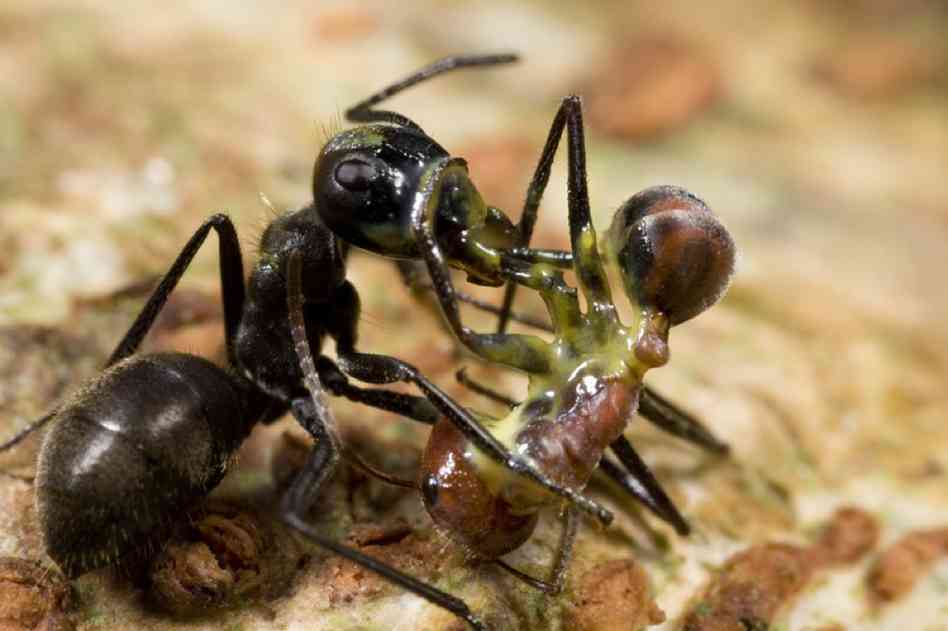
    Believe it or not, the title of this article is not clickbait.

    This ant is Colobopsis saundersi:

    colobopsis_saundersi
    Colobopsis saundersi, image from AntWeb

    (more…)

  • The Ants of Christmas Island

    On this Christmas Day, Americans across the country come together to celebrate the national holiday in their own way. Christians celebrate the birth of Jesus. Agnostics appreciate a day off from work. Myrmecologists dwell on the ants of Christmas Island.

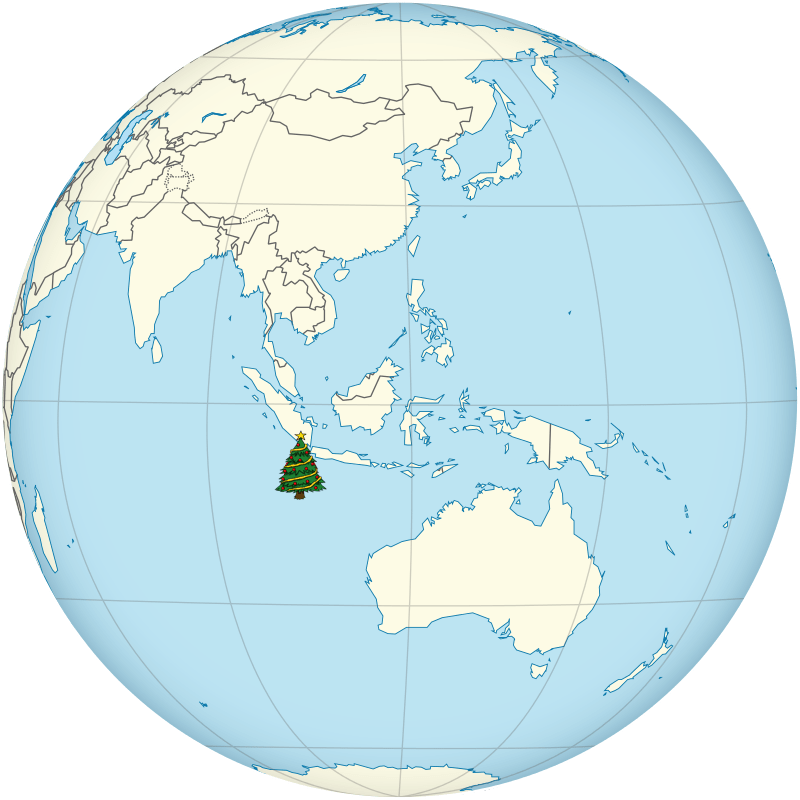
    This is the location of Christmas Island:

    christmasisland

    (more…)

  • Happy Hanukkants!

    The staff at The Daily Ant wishes everybody a happy first night of Hanukkah!

    test


  • Thank You, Formiga!

    After a stunning, 21-year career as a Brazilian footballer, Miraildes Maciel Mota, aka Formiga, has retired from football. It is not surprising that this football legend has played for so long – “Formiga” means “Ant” in Portuguese. Ants have a virtually universal reputation for perseverance, and Formiga, at 38 years old, has certainly lived up to her name.

    The Daily Ant wishes Formiga well in whatever noble endeavors she pursues in her later years, and we thank the footballer for her long service as a joyous standard-bearer of the ways of the ant.

    formiga


  • A Tale of Turtle Ants and Soldier Evolution

    This is a turtle:turtle

    Many people around the world believe that turtles are boring.

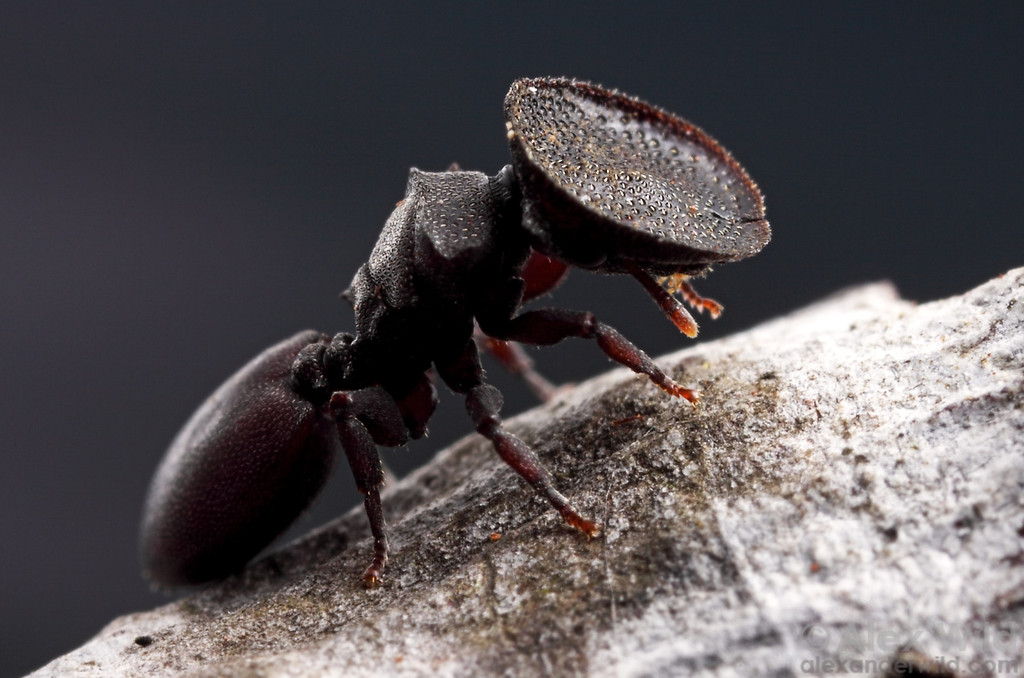
    This is a turtle ant:

    turtleant
    Photo: Alex Wild

    Many people around the world believe that turtle ants are fascinating.

    Reportedly, one of the turtle ant characteristics that people love most is how they use their heads to block their nest entrances. But these turtle ants may also provide insights into the evolution of worker castes in ants, as shown recently by Dr. Robert Planqué and colleagues in a new study published in the Journal of Evolutionary Biology.

    (more…)

  • Ant Art Through the Ages

    Art is the medium through which humanity communicates its deepest aspirations. It comes as no surprise, then, that examples of ant art can be found in cultures throughout the world and through time, dating back thousands of years. Here’s a look at ant art through the ages.

    (more…)

  • On Ant Spit

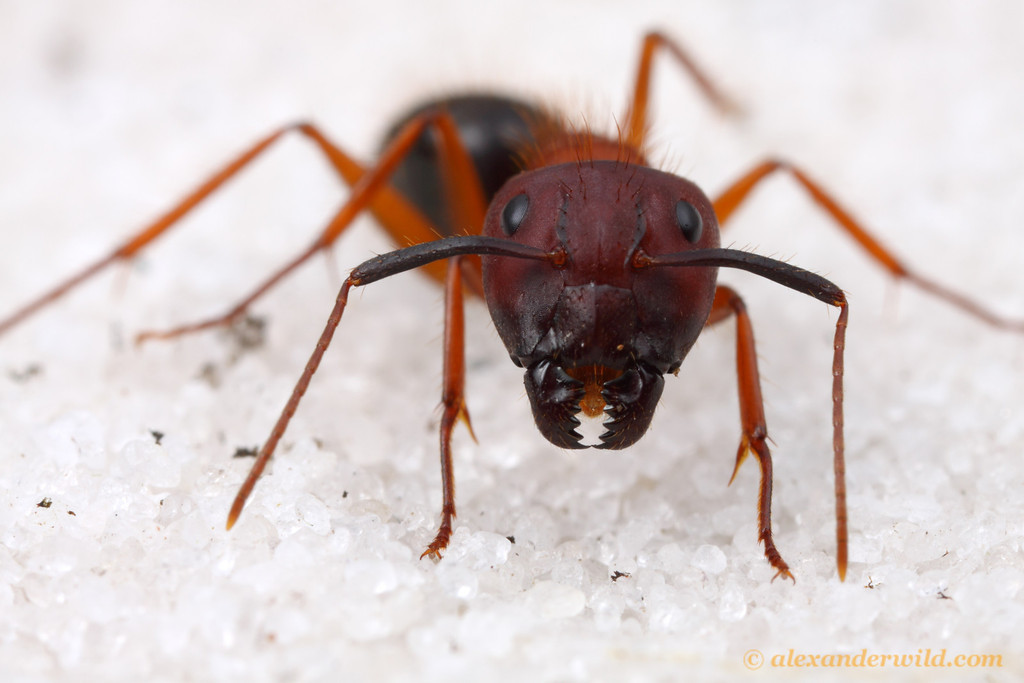
    Ant researchers have long known that ants swap food and enzymes orally through a process called “trophallaxis” (tro-fuh-lax-is). Ants use a special organ, the crop, as a kind of “social stomach” – many workers eat food only to regurgitate it into larvae. But a recent study has found that this ant spit may serve another critical purpose: communication.

    cfloridanus
    If this ant wants to talk to you, it will spit in your mouth. Photo: Alex Wild

    (more…)

  • Feeling Blue? So is This Ant

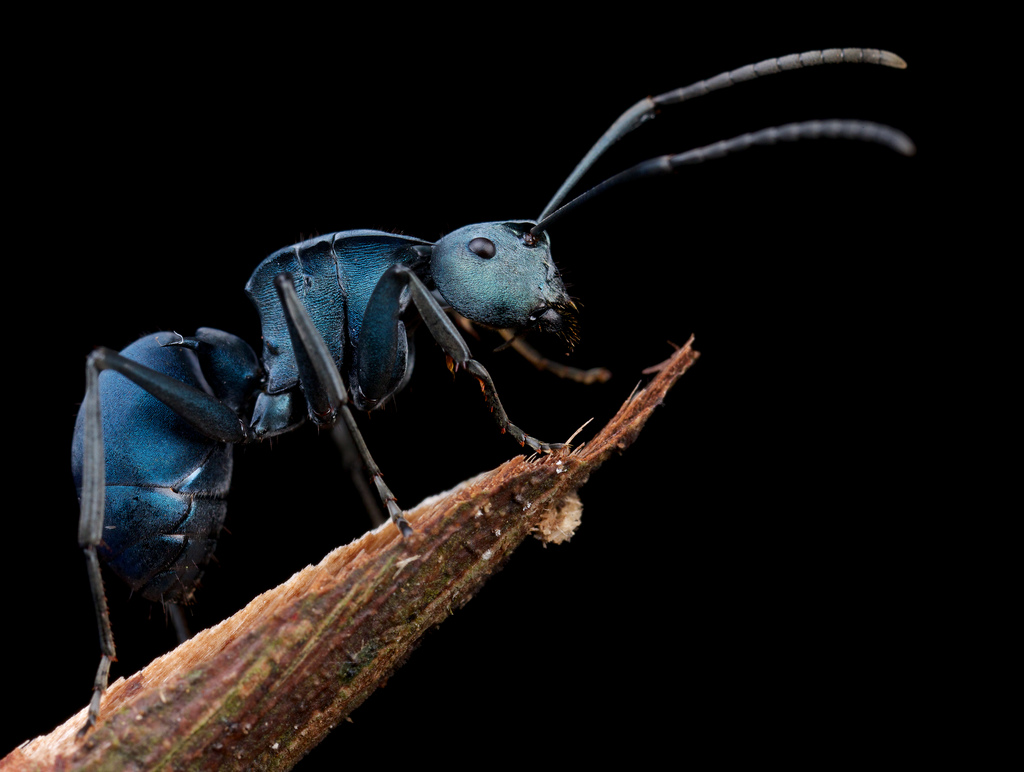
    Blue is a rare color in the biological world. It is particularly difficult for most organisms to produce blue pigment, for reasons that are still mysterious, but even structural blue produced by refracting light is fairly rarely seen in nature. This ant doesn’t really care about all that:

    blueant
    Photo: Paul Bertner

    This ant, Polyrhachis cyaniventris, is metallic blue. Enough said.