The Daily Ant hosts a weekly series, Philosophy Phridays, in which real philosophers share their thoughts at the intersection of ants and philosophy. This is the thirteenth contribution in the series, submitted by Dr. David Schwartz.
Human Nature, Ethics, and Ants
Human nature is a perennial topic of Western philosophy: What does it mean to be human? What distinguishes humans from other species, or from machines? The history of philosophy is filled with answers, the most famous being that humans are the political animal, the thinking animal, the self-conscious animal, the tool-making animal, the warring animal, and the linguistic animal. Of particular interest to my field, ethics and value, is the claim that humans are the ethical animal. That is, we are the only animal that has a sense of fairness and justice, can act altruistically, and that possesses the free will needed to choose moral duty over instinctual reaction.
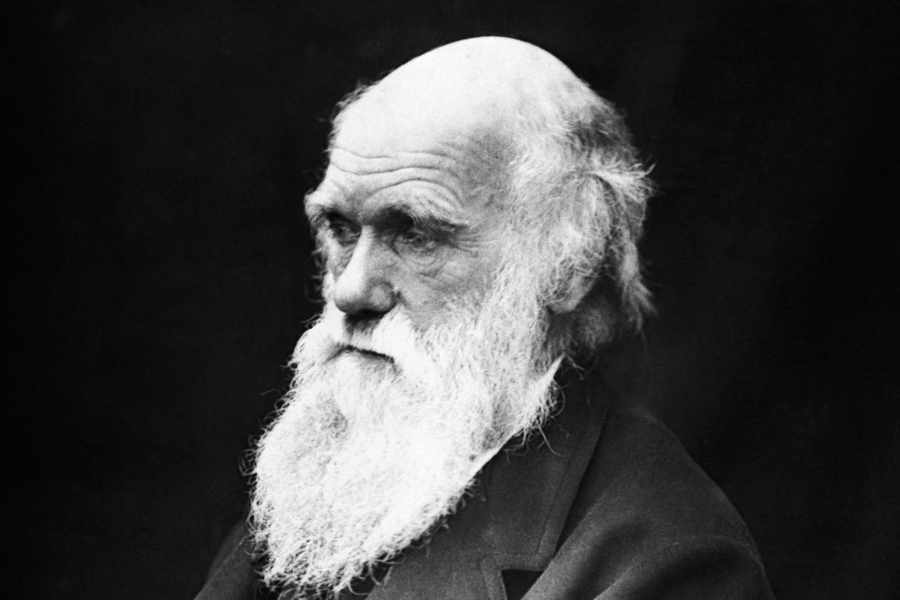
While it has taken philosophers a long time to catch up, this way of thinking about humanity – that we are different in kind from all other species – began to crumble with the work of Charles Darwin. His idea of natural selection offered a plausible mechanism that confirmed the idea that species are not immutable ‘natural kinds’ but only temporal snapshots of an on-going developmental process. This greatly upset many people because it implied that humans were not different in kind from all other species, the sole possessor of an immaterial mind. Rather, humans differ from other species only by degree of evolutionary development. So while only humans can do mathematics or write literature, this does not mean these abilities are super-natural or somehow transcendent of material processes. It does mean that understanding human nature now requires understanding our evolutionary history.
 Pat Myers has worked at The Washington Post since 1982 and reigned as Empress of the Style




 The Daily Ant